
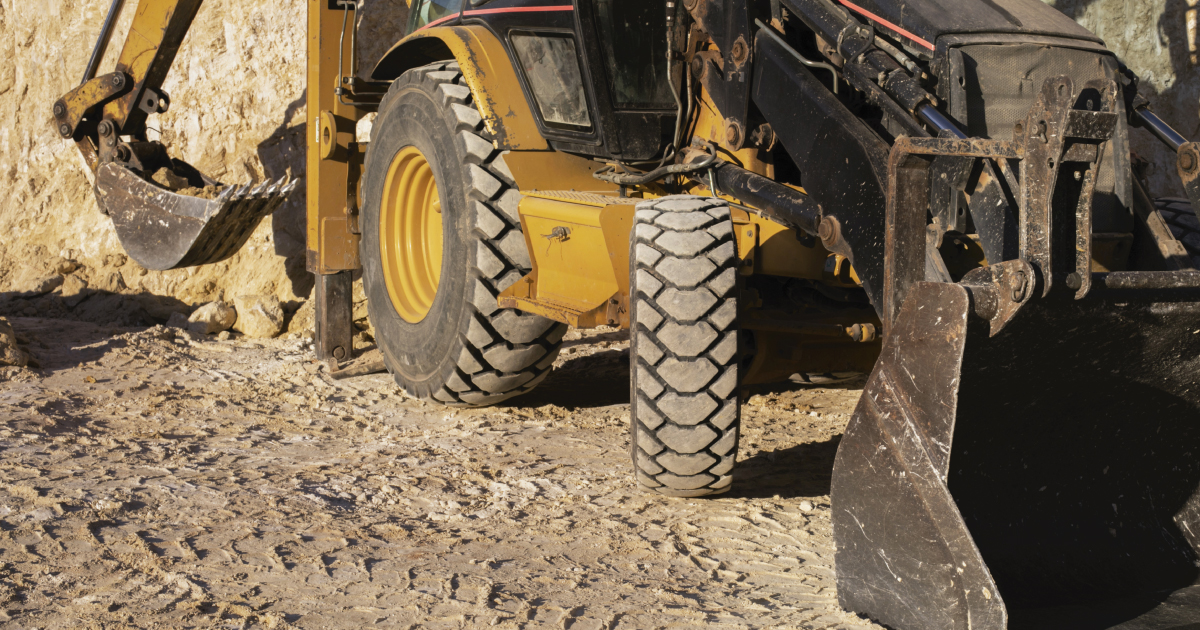
Kenya’s diverse geography and rapidly growing infrastructure development have made geotechnical issues a significant concern in construction and civil engineering projects. Understanding these common issues and how to address them is vital for ensuring safe and sustainable construction practices. Here are the top five geotechnical issues faced in Kenya and strategies for their mitigation.
1. Soil Instability and Landslides
Issue:
In areas with steep slopes, especially in regions like the Western Highlands and Central Kenya, soil instability can lead to landslides during heavy rains.
How to Address It:
- Geotechnical Investigations: Conduct thorough soil stability assessments to determine the risks associated with specific sites.
- Slope Stabilization Techniques: Implement methods such as retaining walls, drainage systems, and vegetation to reinforce slopes and prevent landslides.
2. Poor Soil Bearing Capacity
Issue:
Certain areas, especially those with clayey soils, have low bearing capacities, which can lead to foundation settlement and structural failure.
How to Address It:
- Soil Improvement Techniques: Use methods such as soil compaction, deep foundations, or soil replacement to enhance the bearing capacity.
- Geotechnical Design: Ensure that foundation designs consider the specific soil conditions and incorporate adequate safety factors.
3. High Groundwater Levels
Issue:
High groundwater levels can complicate construction projects, leading to issues like flooding and difficulty in excavation.
How to Address It:
- Dewatering Techniques: Employ dewatering methods, such as well-point systems or sump pumps, to lower the groundwater level during construction.
- Drainage Planning: Design effective drainage systems to manage groundwater and surface water runoff around the construction site.
4. Expansive Soils
Issue:
Expansive soils, such as those found in parts of Eastern and Central Kenya, can swell when wet and shrink when dry, causing significant ground movement.
How to Address It:
- Site-Specific Investigations: Perform thorough geotechnical investigations to identify expansive soils and assess their potential impact.
- Specialized Foundation Designs: Use foundations designed to accommodate soil movement, such as deep piles or flexible foundations, to mitigate the effects of expansive soils.
5. Inadequate Site Investigation
Issue:
Many construction projects in Kenya suffer from inadequate geotechnical site investigations, leading to unforeseen issues during and after construction.
How to Address It:
- Comprehensive Geotechnical Studies: Conduct detailed site investigations, including borehole drilling, insitu testing, and laboratory analysis, to gather sufficient data for informed decision-making.
- Collaboration with Geotechnical Experts: Engage qualified geotechnical engineers to guide the investigation and design processes, ensuring that all potential issues are identified and addressed.
Conclusion
Understanding and addressing common geotechnical issues in Kenya is essential for the success and safety of construction projects. By investing in thorough site investigations and employing effective mitigation strategies, engineers and project managers can navigate these challenges, leading to safer structures and sustainable development.
Implementing best practices in geotechnical engineering not only enhances the integrity of constructions but also contributes to the overall resilience of Kenya’s infrastructure.
Leave A Comment